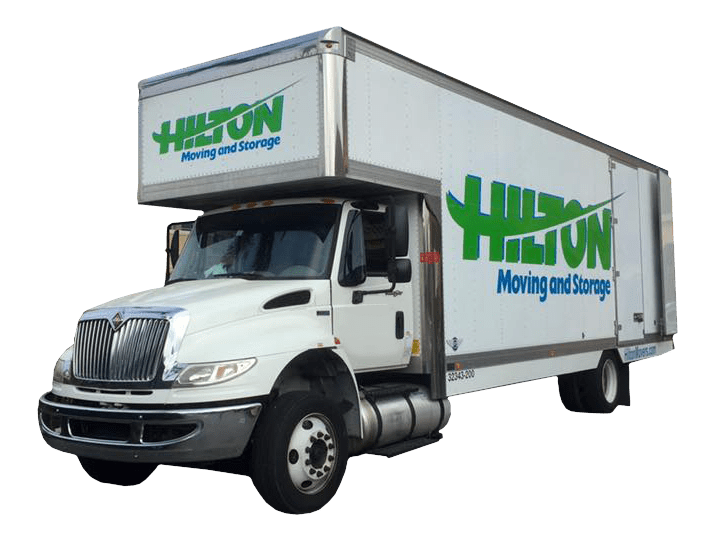
Houseplants are one of the last things people think about when they plan a move, and one of the first things that go wrong. A moving truck is not a good place for a living plant. It is dark, it gets very hot inside, and the ride is bumpy. A fern that looked perfect in your lanai on Tuesday can arrive looking brown and tired on Thursday.
The good news is that most of this is easy to plan around once you know what you are dealing with. Here is how we talk through plants with customers in Naples, Marco Island, Bonita Springs and Estero, and what we suggest you do with yours.
Why Plants and Moving Trucks Do Not Mix
A plant needs three things that a moving truck cannot offer: light, steady temperature and a stable position. The cargo area of a truck has no windows. In Southwest Florida the inside of a closed trailer can get a great deal hotter than the air outside, especially if it is parked in the sun while the crew finishes loading. Add a few hours of highway vibration and even a sturdy potted palm can drop leaves.
Soil is the other problem. Potting soil is heavy, it holds water, and it spills. A tipped pot in a loaded truck means wet soil across whatever is sitting next to it. That is why plants are usually handled separately from the rest of a household load rather than boxed in with your furniture.
None of this means your plants are doomed. It means they belong in a different vehicle, on a different plan, and that plan is worth making a week or two before moving day rather than the morning of.
Local Moves: Take Them In Your Own Car
For a move across Naples or over to Marco Island, the simplest answer is almost always the right one. Put your plants in your own car and drive them over yourself.
A few things make that trip easier:
- Water two or three days before, not the morning of. Soil that is damp travels better than soil that is soaking. A saturated pot is heavier, sloshes, and leaks.
- Put every pot in something that catches spills. A plastic bin, a cardboard box lined with a trash bag, or an old laundry basket all work. Fill gaps between pots with towels so nothing can tip.
- Move fragile ceramic planters separately. If you have a heavy decorative pot you love, consider sliding the plant out into a plain nursery pot for the trip and packing the good planter the way you would pack any other breakable item.
- Do not leave them in a parked car. A closed car in a Naples parking lot gets hot fast. Plants are the last thing in and the first thing out.
- Trim anything long and trailing. A light prune before the move means fewer broken stems and a plant that bounces back faster on the other end.
If you have a large indoor tree in a heavy planter and no way to get it into a car, tell us when you book. Oversized potted plants are something we would rather know about ahead of time so it is part of the plan instead of a surprise on the driveway.
Outdoor Pots and Lanai Plants
Lanai and patio plants raise a slightly different question, because the pots themselves are often the heavy part. A large ceramic or concrete planter full of wet soil can weigh more than a piece of furniture, and it is an awkward shape to carry.
It is usually worth deciding, pot by pot, whether the planter is coming with you. Sometimes the plant matters and the pot does not. Sometimes it is the reverse, and the simplest move is to empty the planter, pack it as a breakable, and start fresh with new plants at the new house. Either answer is fine, but making the call early means you are not standing in the yard on moving day trying to decide.
If you are also sorting out furniture, grills and pool gear, our guide to getting patio, lanai and garage items ready covers the rest of that list.
Moving Out of State With Plants
This is where plants get genuinely complicated, and where we would rather give you a straight answer than an optimistic one.
Different states have their own rules about bringing in live plants and soil. Those rules exist to stop pests and plant diseases from traveling, and they are not the same from one state to the next. Some states restrict particular plant types, some care about the soil more than the plant, and some ask that plants arrive bare root or inspected.
Because the rules vary and they change, the only reliable approach is to check the current requirements for the state you are moving to before you commit to taking anything. The agriculture department for your destination state is the right place to ask. It is a short phone call or web search, and it is far better than finding out at a state line.
Practically speaking, most people moving a long distance end up taking very few plants, or none. If you have one that matters to you, plan to carry it in your own vehicle and look up the rules first. For everything else, the kinder option is usually to give them a good home before you go.
If you want to know how the rest of an out-of-state move fits together, we walk through it in what happens on a long-distance move, from pickup to delivery.
What to Do With Plants You Cannot Take
Deciding to leave plants behind is not a failure of planning. It is often the right call, and there are better options than letting them sit on an empty lanai.
- Offer them to neighbors and friends first. A mature plant is a real gift, and people who already live nearby know how to keep it alive in this climate.
- Ask the buyers or the next tenants. Established landscaping and big lanai pots are often something the next household is happy to inherit. Put it in writing so everyone knows what is staying.
- Take cuttings. For a plant with sentimental value, a few cuttings in a bag of damp paper towel travel far more easily than the whole plant and can be started again at the new house.
- Photograph the ones you loved. It sounds small, but people do miss a garden they spent years on, and a few pictures help.
Setting Plants Up at the New House
When you get to the other end, resist the urge to put every plant in its final spot right away. Light in a new house is rarely the same as light in the old one. A plant that thrived in a bright Naples window may scorch in a west-facing one, and a plant used to a shaded lanai may sulk in full sun.
Give them a few days somewhere with gentle indirect light, water them once they have settled rather than immediately, and expect some leaf drop in the first week or two. That is normal and usually temporary. Then move them to where you actually want them once you have watched how the light moves through the house.
If you are still working out what to open first in the new place, our overview of what professional unpacking includes may help you plan the order of the first few days.
A Few Things That Are Not Coming on the Truck
Plants sit alongside a short list of other items that need to travel with you rather than in the load. Fertilizers, pesticides and weed killers are a good example, because the same chemicals that keep a garden healthy are not things that can ride in a moving truck. It is worth reading through the items we set aside before moving day so nothing surprises you while the crew is loading.
Pets are the other living thing worth planning separately, and we have a full guide on keeping dogs and cats calm on moving day.
Tell Us What You Have
The easiest way to avoid a plant problem is to mention your plants when you are planning the move, not on the day. If you have a dozen pots on the lanai, a large indoor tree, or an orchid collection you are not willing to lose, say so. We can tell you what makes sense to load, what is better off in your car, and how to sequence it so the plants are not sitting in the sun while the rest of the house goes out the door.
Hilton Moving and Storage serves Naples, Marco Island, Bonita Springs, Estero, Golden Gate, Pelican Bay, Pine Ridge, Vineyards and Lely Resort. Call us at (239) 231-7050 and tell us about your move, plants included.