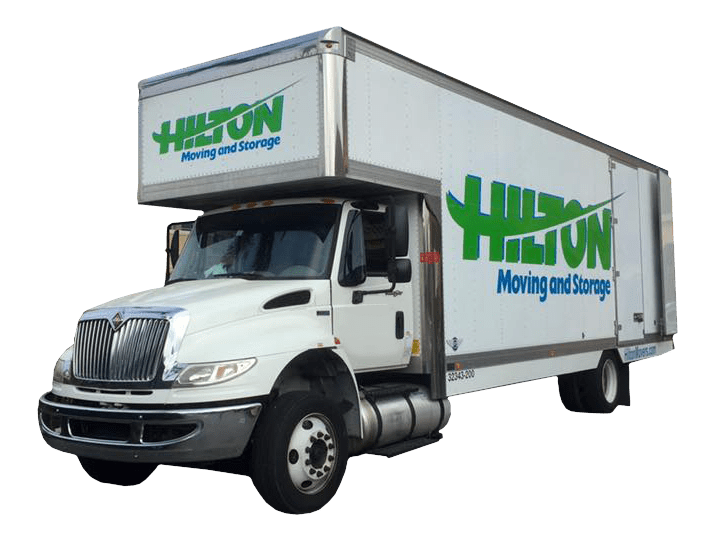
Most of what is in your home can go on the moving truck. A few things cannot, and a few more simply should not. Finding out on moving day that the crew cannot load your propane tank, your pool chemicals or a half-full can of paint slows everything down and leaves you scrambling for a way to get rid of them. This guide covers what movers cannot take, what you should carry yourself, and how to deal with each group before moving day in Naples and the rest of Southwest Florida.
Why Some Items Cannot Go on the Truck
A moving truck is a closed box packed tight with furniture, fabric and cardboard. On a summer day in Florida it gets very hot inside. Anything that can catch fire, leak toxic fumes, explode under pressure or react with other chemicals is a real danger in that space, to the crew and to everything else on board.
That is why moving companies across the industry follow the same basic rule: no hazardous materials on the truck. It is not about being difficult. It is about getting everyone and everything to the new home safely.
Items Movers Cannot Take
These are the items that should not be packed or loaded by any moving crew. If you are not sure about something, ask us before you pack it.
Anything flammable or combustible
- Gasoline, kerosene, lighter fluid and lamp oil
- Propane tanks, including the small green camping cylinders
- Paint thinner, turpentine and oil-based paint
- Aerosol cans such as spray paint and some cleaning sprays
- Matches and fireworks
Chemicals
- Pool chlorine, shock and other pool chemicals
- Bleach and ammonia-based cleaners
- Pesticides, weed killer and fertilizer
- Car batteries and motor oil
- Bags of charcoal that have been opened
Pool chemicals deserve a special note in Southwest Florida, where so many homes have a pool or a lanai spa. Chlorine and other pool products can react badly with each other and with common household cleaners. Never pack them together in a box, and never put them on the truck.
Pressurized tanks
- Propane and other gas tanks
- Scuba tanks
- Oxygen tanks that are not in active medical use (talk with your medical supplier about moving these)
- Fire extinguishers
Items Movers Usually Will Not Take
These are not dangerous in the same way, but they tend to spoil, suffer in a hot truck or cause trouble for everything around them.
Perishable food
Frozen and refrigerated food will not last on a truck, and it can attract pests. Plan your meals in the last week so the fridge and freezer are close to empty by moving day. Canned goods and unopened dry food in sealed boxes are usually fine. Our guide to packing up the kitchen covers the rest of the kitchen in detail.
If you are moving your refrigerator, it needs to be emptied, defrosted and dried out ahead of time. Our post on moving large appliances explains how.
Plants
Plants do not do well in a dark, hot truck, especially on longer trips. For a short local move, many people take their plants in their own car. Ask us about your plants when you plan your move so there are no surprises on the day.
Open liquids
Opened bottles of cooking oil, vinegar, shampoo, cleaning products and anything else that can leak should either be used up, given away or sealed and carried in your own car. One leaking bottle can ruin a whole box of clothes or books.
Items You Should Carry Yourself
Some things are perfectly safe to put on a truck, but you should still keep them with you. These are the items that are small, hard to replace or needed right away.
- Important papers. Passports, birth certificates, Social Security cards, closing documents, wills, tax records and medical records.
- Jewelry and watches. Small, valuable and easy to misplace in a box of socks.
- Cash, checkbooks and credit cards.
- Medications. Pack at least a week’s worth where you can reach them.
- Keys. House keys, car keys, mailbox keys and garage remotes for both homes.
- Laptops, tablets and phone chargers. Especially if you work from home.
- Family photos and keepsakes that cannot be replaced.
- Anything you need on the first night. See the first-night box idea in our bedroom packing guide.
A simple way to handle this is to pick one suitcase or plastic bin as your “carry box.” Put it in a closet or in your car before the crew arrives, and put a sign on it that says “Do not load.” That keeps it from getting swept onto the truck with everything else.
Items That Can Go, But Need Extra Care in Florida Heat
Some things are safe to move but do not like heat. A closed truck on a Southwest Florida afternoon can get much hotter than the air outside, so a little planning helps.
- Candles and wax items. Candles can soften, bend or melt onto whatever is next to them. Wrap them and pack them in a box of their own, or carry them in your car if the trip is long.
- Vinyl records. Records can warp in heat. Pack them standing upright, tight enough that they do not lean, and load the box where it will not sit in direct sun.
- Printed photos and film. Loose photos can stick together in heat and humidity. Keep them in albums or envelopes, and carry the ones that matter most.
- Makeup, lotions and sunscreen. These can separate or leak. Seal the caps with tape, put them in zip-top bags and pack them upright.
- Batteries. Household batteries can go, but tape the ends of loose ones or keep them in their original packaging so they cannot touch metal.
- Aquariums. The tank itself can be moved once it is fully drained and dry. The fish, plants and water need their own plan. Talk to a local aquarium store about how to move the fish safely.
Planning around the heat is also one more reason to schedule early-morning start times during summer months when you can.
How to Get Rid of What You Cannot Move
Knowing what cannot go is only half the job. The other half is getting rid of it responsibly. Many of these items should never go in the regular trash.
Use it up
Start early. Stop buying cleaning products, pool supplies and pantry staples a few weeks before the move, and use what you have.
Give it away
A neighbor with a pool will likely be glad to take your leftover chlorine. A friend who grills will take your full propane tank. Unopened food can go to a local food pantry.
Household hazardous waste drop-off
Collier County and Lee County both run household hazardous waste drop-off programs for things like paint, pool chemicals, pesticides, motor oil and batteries. Check your county’s solid waste website for current locations and hours before you go, since those details can change.
Propane tanks
Many hardware stores and propane exchange locations accept tanks. If your tank is full, you can often exchange it at a location near your new home instead of moving it yourself.
What About Gas-Powered Equipment?
Lawn mowers, leaf blowers, pressure washers, generators and similar equipment can usually be moved, but only after the fuel is removed. That means:
- Run the engine until the tank is empty, or drain it safely
- Drain the oil if the manufacturer’s instructions call for it
- Disconnect any batteries
- Let the equipment cool fully before it is loaded
Do this a day or two before the move, not the morning of. Our guide to moving patio, lanai and garage items covers outdoor equipment and grills in more detail.
A Quick Checklist for the Week Before
- Walk through the garage, laundry room, pool area and under every sink. Pull out anything flammable, chemical or pressurized.
- Decide what to use up, give away or drop off, and do it.
- Empty and drain gas-powered equipment.
- Start eating down the fridge and freezer.
- Set aside your carry box of papers, medications, valuables and keys.
- Make a short list of anything you are unsure about and ask us before moving day.
Questions We Can Answer Before Moving Day
Every home is a little different. You might have a wine collection, a workshop full of tools, a saltwater aquarium or a garage full of hobby supplies. If you are not sure whether something can go on the truck, the time to ask is when you plan the move, not when the crew is loading.
Hilton Moving and Storage has been moving families in Naples, Marco Island, Bonita Springs, Estero and nearby communities since 2010. Call us at (239) 231-7050 and tell us what you are moving. We will help you sort out what goes on the truck, what goes in your car and what to handle before the crew arrives, so moving day runs smoothly from the first box to the last.