Moving high-value collections requires far more than basic lifting skills. Professional movers use specialized engineering and chemical knowledge to protect delicate surfaces from environmental damage and physical shock. This guide explains the advanced methods experts use to transport your most prized possessions safely through the unique climate of Naples and Southwest Florida.
Why Do Experts Use Custom Wooden Crates?
Standard cardboard boxes lack the structural integrity to support heavy or oddly shaped artifacts. Professional movers build custom wooden crates for each specific piece to prevent internal shifting and external crushing. These crates act as a rigid exoskeleton that absorbs impacts during transit.
A custom crate starts with high-quality heat-treated plywood or solid wood. The interior is then lined with shock-absorbing foam that matches the exact dimensions of your item. This “float-crating” technique ensures that the artwork never touches the hard walls of the container. By suspending the object in a cushioned environment, movers neutralize the vibrations from the road. This level of protection is a requirement for heavy marble sculptures or large, framed mirrors that would otherwise flex and break under their own weight.
Understanding the Role of Acid-Free Packing Materials
Household packing supplies like newsprint or standard tape can permanently stain antique finishes or cause oil paintings to yellow. Experts use chemically neutral materials to preserve the integrity of sensitive surfaces. These specialized layers prevent chemical reactions between the packaging and the artifact.
If you wrap an oil painting in standard plastic, the trapped gases can soften the paint over time. Movers use Glassine paper instead because it is water-resistant and grease-resistant. For delicate textiles and silver, acid-free tissue prevents tarnishing and fiber breakdown. Micro-foam provides a soft barrier for polished wood furniture without trapping moisture against the grain. Using the wrong wrap can ruin a finish in hours, making these specific material choices vital for long-term preservation.
How Climate Control Protects Older Wood and Canvas
Rapid changes in temperature and humidity cause organic materials like wood and canvas to expand and contract. This movement leads to cracked paint, warped furniture joints, and mold growth. Professional transit involves climate-controlled vehicles that maintain a steady environment.
The Science of Strategic Loading and Weight Distribution
Loading a moving truck is a puzzle where the heaviest items must provide a stable base without putting pressure on fragile pieces. Experts use specialized logistics to secure the load. This prevents items from sliding or toppling when the vehicle makes turns or stops.
Movers place heavy furniture on the floor and use vertical “E-track” systems to strap it directly to the walls of the truck. They never stack items on top of fragile antiques. Instead, they build “tiers” using plywood decking to create second floors within the truck. This allows them to utilize the height of the vehicle without putting any weight on the pieces below. Proper weight distribution also keeps the truck stable on the road, reducing the intensity of vibrations felt by the cargo.
Why Professional Inventory Documentation is Required
Detailed documentation serves as a legal and logistical safety net for high-value moves. Experts create a comprehensive manifest that includes high-resolution photos and condition reports for every item. This record proves the state of the collection before it ever enters a box.
If an antique has a pre-existing hairline crack, the mover notes it in the digital inventory. They also record dimensions, artist names, and estimated values. This process helps with insurance claims and ensures that every small component, like a clock pendulum or a desk key, arrives at the destination. A clear inventory allows the crew to track the location of every crate throughout the journey, providing full transparency to the owner. It eliminates guesswork and provides a clear audit trail for your most valuable assets.
Handling Large-Scale Sculptures and Heavy Artifacts
Heavy items like bronze statues or grand pianos require mechanical assistance and advanced rigging techniques. Movers use floor protection and specialized dollies to move these items without damaging your home or the object itself. They calculate the center of gravity to prevent tipping during the move.
For extremely heavy pieces, crews may use hydraulic lift gates and specialized ramps. They use “non-marking” rubber wheels on their equipment to protect hardwood and marble floors. When moving a piano, experts remove the legs and secure the body to a “piano board” to keep the internal strings and soundboard stable. This mechanical precision prevents the structural failures that often happen when untrained people try to lift heavy weights manually.
The Importance of Specialized Insurance for Art
Standard moving coverage typically pays by the pound, which is useless for a lightweight but expensive painting. Professional art movers offer “full value protection” or “inland marine” insurance policies. These options cover the actual market value of your collection rather than its physical weight.
Before the move, an expert may suggest a fresh appraisal to confirm the current worth of your items. Having this paperwork ready ensures that you receive the full amount in the rare event of a total loss. Professional movers also carry high-level liability insurance to cover the property where the move takes place. This comprehensive coverage gives you financial security while your assets are in transit. It turns a high-stakes gamble into a managed professional service.
Preparing the New Space for Delicate Delivery
Safety measures do not end once the truck reaches the destination. Professional movers perform a walkthrough of the new location to identify tight corners and low ceilings. They set up protective “runners” on the carpet and foam guards on the door frames to prevent scuffs.
The crew places each item exactly where you want it to avoid the need for further movement later. They carefully unwrap each piece, checking it against the original condition report. By handling the debris removal, they prevent piles of cardboard and plastic from becoming tripping hazards. This careful final stage ensures that the transition into your new home is as smooth as the journey itself. A clean environment allows you to inspect your items immediately and enjoy your collection in its new setting.
Protecting Gilded Frames and Ornate Details

Gilded frames are incredibly fragile because the gold leaf sits on top of a brittle layer of gesso. Even a light touch with bare hands can transfer oils that damage the finish. Professionals handle these items with cotton gloves to maintain the luster of the gold.
When packing these frames, movers use “corner protectors” made of high-density foam. These prevent the ornate carvings from chipping if the crate is bumped. They also avoid using any bubble wrap directly against the gilding, as the plastic circles can leave permanent marks. Instead, they use a soft inner wrap of tissue followed by a rigid outer layer. This layered defense preserves the artistic details that make the piece valuable.
Moving Sensitive Musical Instruments
Instruments like violins, cellos, and harps are highly sensitive to tension and atmospheric changes. A sudden drop in humidity can cause the wood to crack or the bridge to collapse. Movers who specialize in instruments know to loosen the strings slightly before transit to reduce the pressure on the neck.
The instrument is usually kept in its original hard case, which is then placed inside a larger, padded shipping container. This creates a “double-wall” of protection. For larger instruments like harpsichords, movers use custom-built sleds to keep the instrument level at all times. This prevents the delicate internal mechanics from shifting out of alignment. Keeping the instrument in a climate-controlled cabin ensures it arrives in tune and ready for use.
Preventing Oxidation and Tarnish on Antique Silver
Exposure to air and moisture causes silver to tarnish rapidly, which requires abrasive cleaning that can wear down the metal over time. Experts use silver-cloth or treated anti-tarnish bags for all high-value metalwork. These materials contain particles that neutralize the sulfur in the air before it reaches the silver.
Once wrapped in anti-tarnish cloth, the items are placed in sturdy boxes with plenty of padding to prevent dents. Movers ensure that silver pieces do not touch each other, as the soft metal scratches easily. For large silver services, they use divided inserts to keep every spoon and tray in its own secure slot. This level of organization prevents the clattering and friction that leads to surface damage during a long drive.
Specialized Techniques for Glass and Crystal
Moving a crystal chandelier or a collection of hand-blown glass requires extreme patience and precision. Experts often disassemble larger glass fixtures, wrapping each individual drop or arm separately. This prevents the pieces from knocking against each other and shattering.
When packing flat glass, such as table tops or large windows, movers store them on their edges rather than lying flat. Glass is much stronger vertically and can withstand more vibration in this position. They use “cell packs” for smaller glassware, providing a dedicated cardboard wall between every single glass. This prevents a “domino effect” where one break leads to several others. Using these industrial methods ensures that even the thinnest crystal arrives intact.
The Role of Training and Experience in Safety
The best tools in the world are useless without a trained team to use them. Professional movers undergo rigorous training to learn the physics of moving heavy and fragile objects. They learn how to communicate during a lift to ensure the weight remains balanced.
An experienced crew knows how to read the “lean” of a heavy piece of furniture. They can anticipate how an item will behave when going around a staircase or through a narrow door. This institutional knowledge allows them to solve problems on the fly without putting the cargo at risk. Hiring a team that specializes in high-value goods means you are paying for their expertise and their ability to handle the unexpected.
How to Verify a Mover’s Qualifications
Not every company that owns a truck is qualified to handle fine art. You should look for movers who belong to professional organizations like the American Moving and Storage Association. Ask for references from local galleries or antique shops to see who the local experts trust.
A legitimate company will be happy to provide proof of their specialized insurance and show you examples of their custom crating work. If a company gives you a quote over the phone without seeing your collection, they likely do not understand the complexity of the job. A professional always insists on an in-person or virtual survey to assess the specific needs of your artifacts.
Common Questions About High-Value Moving
How Far in Advance Should I Book an Antique Move?
You should reach out to movers at least four to six weeks before your planned date. Building custom crates and arranging climate-controlled transport takes time. Early booking also ensures you get a crew that is specifically trained in art handling.
Should I Clean My Antiques Before the Movers Arrive?
It is a good idea to remove surface dust with a very soft cloth, but avoid using oils or waxes right before the move. These can make the surfaces slippery or react with the packing materials. A clean surface also makes it easier to perform an accurate condition report.
Do I Need to Empty the Drawers of Antique Dressers?
Yes, you should always empty drawers. The added weight of clothes or papers can put too much stress on the joints of an old piece of furniture during a move. It also prevents items inside from shifting and causing damage to the interior of the wood.
What Happens If an Item Is Damaged Despite the Precautions?
If you have full value protection, you file a claim based on the pre-move condition report and photos. The insurance will pay for the cost of professional restoration or the full replacement value if the item cannot be fixed.
Can Movers Transport Ivory or Endangered Materials?
Moving these items across state lines can be subject to federal laws like the CITES treaty. You should inform your mover if your antiques contain ivory, tortoiseshell, or protected woods so they can ensure all legal paperwork is in order for the transit.
Secure Your High-Value Move Today
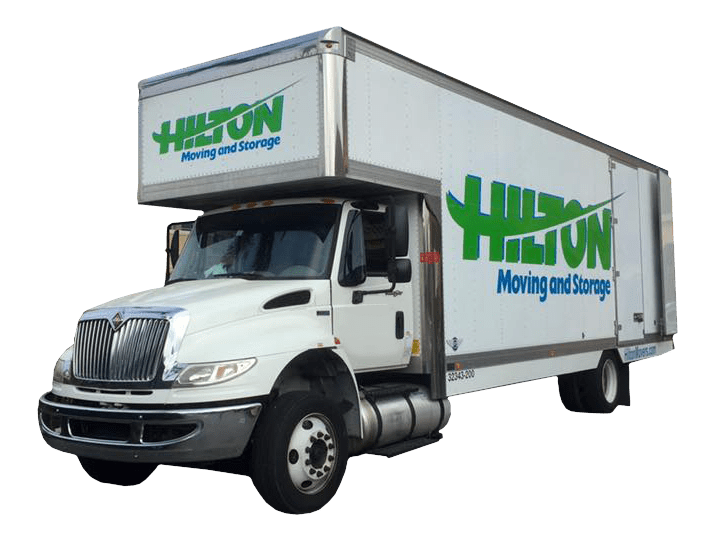
Hilton Moving and Storage provides expert care for your most delicate antiques and valuable artworks in Naples and across Southwest Florida. We use custom crating, climate-controlled transport, and specialized packing materials to protect your investment during every mile of the journey. Contact us today to schedule a consultation and receive a detailed quote for your next relocation. Our business focuses on providing the professional handling and security your collection deserves.