How Interior Designers Use a Receiving Warehouse to Save Time and Money with Furniture Delivery Logistics
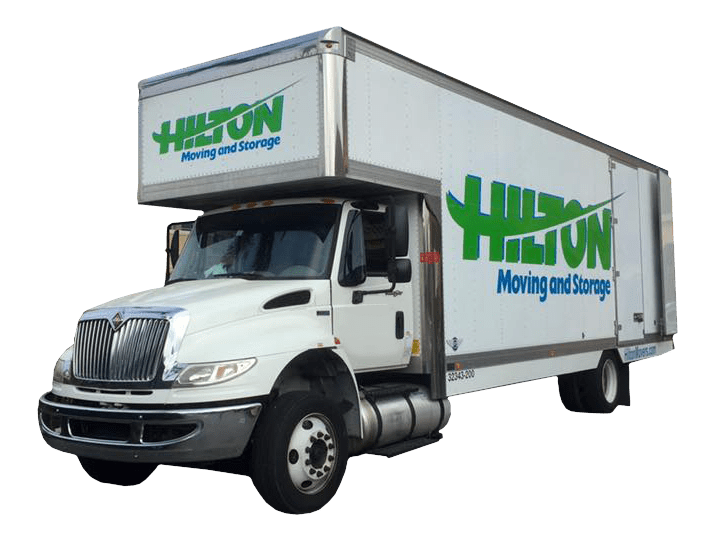
In the realm of interior design, efficient logistics play a crucial role in the successful execution of projects. A receiving warehouse serves as a pivotal resource for designers, streamlining the process of furniture delivery and ensuring that pieces arrive in pristine condition. By utilizing these specialized services, interior designers can manage their inventory more effectively, save time, and ultimately reduce costs. This article delves into the essential functions of receiving warehouses, the benefits they provide, and why integration with expert logistics partners, such as Hilton Moving and Storage, is beneficial.
Throughout the article, we will explore why receiving warehouse services are vital for interior designers, discuss the benefits of using these services, and provide insights on how to select a reliable warehouse service to enhance project efficiency and effectiveness.
What Are Receiving Warehouse Services and Why Are They Essential for Interior Designers?
Receiving warehouse services are dedicated facilities that manage the logistics of receiving, inspecting, storing, and delivering furniture and other items for interior design projects. These services play an essential role in inventory management by ensuring that all pieces are thoroughly inspected and accounted for upon arrival. With an organized system in place, designers can focus on their core project tasks without worrying about the logistics of furniture handling.
The benefits of utilizing a receiving warehouse extend beyond simple storage; they enhance overall project efficiency and reduce the likelihood of damages during transit. By having a centralized receiving location, interior designers can streamline their processes, making it easier to coordinate deliveries and deadlines. This ultimately results in smoother project execution and improved client satisfaction, making receiving warehouse services an indispensable tool for the interior design industry.
Benefits of Using Receiving Warehouse Services
Receiving warehouse services offer numerous advantages tailored to the needs of interior designers. By utilizing these specialized warehouses, designers can mitigate logistical challenges that often arise during the project lifecycle.
- Time Savings: By employing receiving warehouses, designers can ensure swift logistics management. This allows for better scheduling and organization, eliminating delays caused by miscommunication or unorganized delivery schedules.
- Cost-Effectiveness: Using a receiving warehouse minimizes the chance of damage to furniture during transport. This protection translates to cost savings for designers, who would otherwise face expenses related to replacing damaged items.
- Professional Handling: Many warehouses offer inspection services, ensuring that each piece is carefully assessed upon arrival. This professional handling guarantees that designers receive high-quality items ready for immediate use in their projects.
How Do Receiving Warehouses Streamline Furniture Receiving and Inspection?
Receiving warehouses utilize efficient logistics protocols to streamline the processes of furniture receiving and inspection. The mechanisms include:
- Direct Shipping: Designers can arrange for items to be shipped directly to the warehouse, eliminating unnecessary trips and handling.
- Detailed Inspection Process: Upon arrival, furniture undergoes a thorough inspection. This ensures that any damages are identified immediately, allowing for prompt resolution.
- Flexible Delivery Scheduling: After inspection, receiving warehouses can provide flexible scheduling for delivery to the project site, making it easy to plan around project timeliness.
What Benefits Do Interior Designers Gain from Climate-Controlled Storage Solutions?

Climate-controlled storage solutions provide essential advantages for interior designers concerned with preserving the quality of sensitive items. The benefits include:
- Protection from Humidity and Temperature: Climate control helps maintain optimal storage conditions that prevent warping, cracking, or other forms of damage due to environmental fluctuations.
- Reduction of Damage Risk: By controlling the storage environment, designers can reduce the risk of damage to high-value items, such as fine furniture and artisanal decor.
- Preservation of Item Value: Storing items in climate-controlled settings helps maintain their condition, safeguarding their value for the duration of the project.
How Does White Glove Delivery Enhance Interior Design Logistics?

White-glove delivery services enhance logistics for interior designers by providing exceptional care during transport and setup. The key aspects include:
- Careful Handling of Fragile Items: White-glove services ensure that all items, especially fragile pieces, are handled with utmost care throughout the delivery process.
- Delivery Setup and Arrangement: Delivery teams will assist in setting up items according to the designer’s specifications, ensuring that everything is positioned and displayed correctly.
- Inspection Upon Delivery for Quality Assurance: Designers can count on an additional layer of quality assurance as teams are trained to inspect items upon delivery, further ensuring that the pieces meet the required standards.
What Is Included in White Glove Moving Service for Designer Furniture?
A white-glove moving service encompasses several critical components that assure designers of a seamless experience. These include:
- Meticulous Handling: All furniture is handled with the utmost professionalism, ensuring that items are protected during transport.
- Delivery Setup Assistance: The service includes assistance for setting up items in the final location, aligning with the design vision.
- Attention to Detail in Item Inspection: Each piece is thoroughly checked to ensure it meets the designer’s specifications before concluding the delivery.
Why Do Interior Designers Choose Hilton Moving and Storage’s Local Expertise in Southwest Florida?
Hilton Moving and Storage’s local expertise offers significant advantages for interior designers in Southwest Florida. Their understanding of the area’s unique logistics challenges ensures safe and organized storage solutions. Designers benefit from their detailed inventory management capabilities, allowing for comprehensive tracking of items throughout the moving and storage process. With flexible scheduling options, Hilton facilitates timely deliveries that align with client needs, bolstering project success.
How Does Hilton’s Partnership with Bekins Support Long-Distance Moves?
The partnership between Hilton Moving and Storage and Bekins offers logistical support for long-distance moves. This collaboration brings together local expertise and national logistics network benefits, ensuring smooth transitions for furniture as it travels beyond the immediate area. Interior designers can trust that their items will be handled professionally, whether in local or long-distance contexts.
What Makes Hilton’s Pricing Transparent and Beneficial for Design Projects?
Hilton Moving and Storage offers clear written estimates structures designed to align with design budgets. Their commitment to cost savings provides opportunities for designers to efficiently plan projects without unexpected financial burdens. This financial clarity helps streamline project management and instills confidence in clients regarding their overall expenditure.
How Do Receiving Warehouses Save Time and Money for Interior Design Projects?
Receiving warehouses significantly enhance time and cost efficiency for interior design projects through various mechanisms:
- Flexible Scheduling Reduces Delays: With centralized management, designers can schedule deliveries that fit their project timelines, reducing potential holdups.
- Professional Handling Lowers Damage Risks: Expert handling of items decreases the chances of damages during transportation, translating to fewer replacement costs.
- Centralized Management Simplifies Logistics: Having a dedicated space for receiving and managing inventory simplifies the entire logistics process, allowing interior designers to focus on design rather than logistics.
The strategic optimization of warehouse management allows for systematic improvements in handling and storing inventory, showcasing its utility as a dynamic tool for enhancing efficiency.
Improving Warehouse Management for Interior Design Producers
warehouse of an Italian interior design producer, we show that it represents a useful tool to systematically and dynamically improve the warehouse management.
An integrated approach for warehouse analysis and optimization: A case study, M Dotoli, 2015
In What Ways Does Receiving and Inspection Service Reduce Coordination Issues?
Coordination issues often plague the logistics of interior design projects. By utilizing receiving and inspection services, designers can mitigate these problems through:
- Centralized Receiving Simplifies Logistics: All items are received at one location, making it easier to manage inventory.
- Efficient Tracking Prevents Issues: With a thorough inspection process, designers can track the condition of items in real-time, reducing errors.
- Proactive Inspections Ensure Quality: Regular inspections throughout the process contribute to consistent quality assurance, leading to fewer surprises during final installations.
How Does Climate-Controlled Storage Protect Sensitive and Designer Furniture?
Climate-controlled storage provides multiple layers of protection for sensitive and designer furniture, critical for preserving high-value items. Benefits include:
- Protection Against Weather-Related Damage: Controlled environments minimize the risk of damage from extreme temperatures or humidity, safeguarding furniture integrity.
- Value Preservation Through Stable Conditions: Consistent climate controls help maintain item condition, ensuring designers can deliver high-quality products to clients.
- Organized Storage Solutions: Climate-controlled environments are typically well-organized, allowing for easier access and management of high-value items.
What Should Interior Designers Consider When Selecting a Receiving Warehouse and Delivery Service?
When choosing a receiving warehouse and delivery service, interior designers should consider several important factors to ensure quality and reliability.
- Reliability and Service Reputation: Research the warehouse’s history and ensure they have a reputation for reliability and quality service.
- Cost and Transparency Factors: Assess pricing structures and look for transparency in fees to avoid unexpected expenses.
- Flexibility in Scheduling: Ensure the service can accommodate varying project timelines and delivery needs.
How to Evaluate Warehouse Facilities and Climate Control Options in Naples and Surrounding Areas?
Selecting the right warehouse facilities involves careful evaluation of several criteria:
- Evaluating Climate Control Options: Assess how well the facility maintains optimal conditions for storing sensitive furniture.
- Reviewing Safety and Security Measures: Ensure the warehouse has robust security systems in place to protect items from theft or damage.
- Assessing Service Reputation: Gathering testimonials and feedback can provide insights into the quality of service and reliability of the warehouse.
What Are Key Questions About White Glove Service Coverage and Inspection Processes?
When considering white-glove services, designers should ask the following questions:
- What are the inspection details upon delivery?: Understand the processes pertaining to how items are checked upon delivery.
- How are items handled during moving?: Clarify the steps taken to ensure safe transport and installation of items.
- What is the policy for damaged items?: Ensure there is a clear understanding of how damages are handled should they occur.
How Can Interior Designers Benefit from Hilton’s Integrated Moving, Storage, and Receiving Solutions?
Integrating moving, storage, and receiving solutions provides benefits for interior designers, including:
- Efficiency in Handling Logistics: A unified approach simplifies logistics planning, making it easier to manage operations.
- Cost Savings Through Integrated Services: Combined services can lead to better pricing structures and financial efficiency.
- Support for Seamless Project Management: Having one point of contact for moving and storage reduces communication breakdowns, allowing for a more streamlined workflow.
How Does Integrated Service Improve Workflow and Reduce Delays?
Through streamlined operations, integrated services improve workflows by offering:
- Streamlined Logistics Improve Efficiency: Optimization of delivery routes and schedules results in enhanced time management in project execution.
- Reduced Stress Through Organized Management: A single source for all logistics minimizes potential headaches associated with juggling multiple vendors.
- Flexibility to Adapt to Project Needs: Integrated services allow quick adjustments to logistical plans to accommodate unexpected changes or client requests.
What Client Experiences and Testimonials Highlight Hilton’s Advantages?
Clients of Hilton Moving and Storage often express appreciation for the company’s efficiency and professionalism. Feedback frequently emphasizes:
- Client Appreciation for Efficiency: Many clients note the ease with which projects are managed thanks to Hilton’s comprehensive logistics support.
- Professionalism in Handling: Clients consistently commend the careful approach taken by staff when managing and transporting high-value items.
- Trust and Reliability Built Over Time: Long-standing relationships with designers illustrate Hilton’s commitment to maintaining quality service and customer satisfaction.